Body

Cultural differences shed light on non-completion of HPV vaccination in girls in low-income families

SAN FRANCISCO – Although they are at higher risk for cervical cancer, girls from low-income families are less likely to receive the human papillomavirus (HPV) vaccine that prevents it, and the reasons they are not fully vaccinated differ depending on whether their parents are English-speaking or Spanish-speaking, suggests research being presented at IDWeek 2013™.

Norovirus vaccine reduces symptoms of illness by more than half, early research shows

SAN FRANCISCO – An investigational vaccine appears generally well tolerated and effective against the most common strain of norovirus, reducing the main symptoms of the gastrointestinal (GI) infection, vomiting and/or diarrhea, by 52 percent, suggests research being presented at IDWeek 2013™.

Dartmouth researcher finds a new role for the benefits of oxygen

Hanover, N.H.—In a study published in published in EMBO Molecular Medicine, a Dartmouth researcher found that dying heart cells are kept alive with spikes of oxygen.

During a heart attack when the flow of oxygen-rich blood to a section of the heart is interrupted, and not quickly restored, heart muscle begins dying. Deprived of oxygen and other essential nutrients, cell death continues occurring over a period of time leading to progressive loss of heart function and congestive heart failure.

Stem cells engineered to become targeted drug factories

A group of Brigham and Women's Hospital, and Harvard Stem Cell Institute researchers and collaborators at MIT and MGH have found a way to use stem cells as drug delivery vehicles.

International research collaboration reveals the mechanism of the sodium-potassium pump

It's not visible to the naked eye and you can't feel it, but up to 40 per cent of your body's energy goes into supplying the microscopic sodium-potassium pump with the energy it needs. The pump is constantly doing its job in every cell of all animals and humans. It works much like a small battery which, among other things, maintains the sodium balance which is crucial to keep muscles and nerves working.

Researchers uncover metabolic enzymes with 'widespread roles' in opium poppy

University of Calgary scientists have discovered metabolic enzymes in the opium poppy that play "widespread roles" in enabling the plant to make painkilling morphine and codeine, and other important compounds.

The discovery, by university researcher Peter Facchini and PhD student Scott Farrow, includes the first biochemical reaction of its kind ever reported in plants, which may also occur in garden-variety poppies and other plants.

Understanding the evolution of lungs through physical principles

Two French physicists, Bernard Sapoval and Marcel Filoche from École Polytechnique in Palaiseau, France, suggest in a study published in EPJ E how evolution has shaped our lungs through successive optimisations of physical parameters such as conservation of energy and speed of delivery.

Fecal transplant pill knocks out recurrent C. diff infection, study shows

SAN FRANCISCO – Swallowing pills containing a concentrate of fecal bacteria successfully stops recurrent bouts of debilitating Clostridium difficile (C. diff) infection by rebalancing the bacteria in the gut, suggests a study being presented at the IDWeek 2013™ meeting today.

Antibiotics drastically overprescribed for sore throats, bronchitis, analyses show

SAN FRANCISCO – A vast majority of people who see their doctors for sore throats or acute bronchitis receive antibiotics, yet only a small percentage should, according to analyses of two major national surveys being presented at IDWeek 2013™. Those illnesses usually are caused by viruses, and antibiotics – which only treat bacterial infections – do not help.

Sparing the body, breast cancer treatment via nipple injection

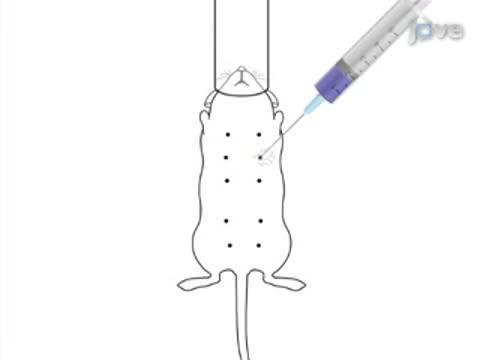
In order to better communicate their procedure, Krause and her colleagues decided to publish with JoVE. "Because the reader can actually watch the process and see how reagents, instruments, and animals are physically handled over time, the likelihood of reproducing this method in their own labs is greatly enhanced," Krause said. "We believe this will help spread this new technical capability to many labs who are carrying out breast cancer research."

Cancer survivors in rural areas forgo health care because of cost

PHILADELPHIA — Older cancer survivors living in rural areas were more likely to forgo medical and dental care because of financial concerns compared with older cancer survivors living in urban areas, according to a study published in Cancer Epidemiology, Biomarkers & Prevention, a journal of the American Association for Cancer Research.

Data analysis showed cancer survivors in rural areas who were aged 65 or older were 66 percent more likely to forgo medical care and 54 percent more likely to forgo dental care because of cost, compared with their urban counterparts.

Walking can reduce breast cancer risk

PHILADELPHIA — Postmenopausal women who were very active or walked for at least seven hours a week had a reduced risk for breast cancer, according to a study published in Cancer Epidemiology, Biomarkers & Prevention, a journal of the American Association for Cancer Research.

Women who engaged in at least an hour of vigorous physical activity every day had a 25 percent lower risk for breast cancer, and those who walked for at least seven hours a week had a 14 percent lower risk for breast cancer, in this study of 73,615 postmenopausal women.

Study links moderate activity to lower breast cancer risk

ATLANTA -- October 4, 2013 -- A large new American Cancer Society study adds to increasing evidence that physical activity reduces the risk of breast cancer in postmenopausal women. Researchers say moderate recreational activity was associated with a 14 percent lower risk and high physical activity with a 25 percent lower risk of breast cancer compared to women who were active at the lowest level. The study appears early online in Cancer Epidemiology, Biomarkers, and Prevention.

High Medicare spending on prostate cancer screenings, but little benefit for older men

New Haven, Conn. —Prostate cancer screening has little benefit for men aged 75 and older, yet over three years, the Medicare fee-for-service program spent $447 million annually on PSA-based screenings—one-third of which was for men in the over 75 age group, according to study by researchers at the Yale Cancer Outcomes, Public Policy, and Effectiveness Research (COPPER) Center.

Published in the Oct. 4 issue of the journal Cancer, the study also found considerable geographic variation in the cost of prostate cancer screening.

Rutgers scientists discover molecules that show promise for new anti-flu medicines

NEW BRUNSWICK, N.J. – A new way to attack flu viruses is taking shape in laboratories at Rutgers University, where scientists have identified chemical agents that block the virus's ability to replicate itself in cell culture.

These novel compounds show promise for a new class of antiviral medicines to fight much-feared pandemic influenzas such as the looming "bird flu" threats caused by the H5N1 influenza A virus and the new H7N9 virus responsible for a 2013 outbreak in China.