Body

Scientists uncover navigation system used by cancer, nerve cells

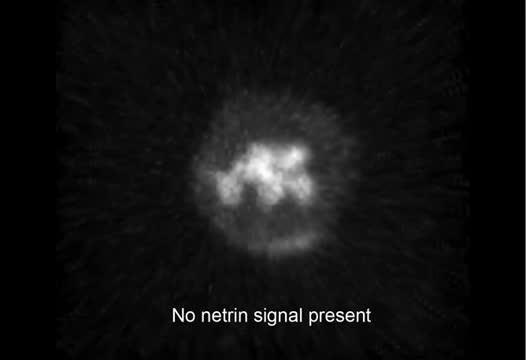
Duke University's David Sherwood and his team are using live-cell imaging to probe living cells to see how they find their way to new tissues and organs in the body. In these time-lapse videos of an invading C. elegans anchor cell, 60 images taken over an hour show cell receptors and their associated actin filaments moving around the cell surface in search of the missing signal that will tell the cell where to go.

(Photo Credit: Videos courtesy of David Sherwood.)

Drug used for DNA repair defects could treat leukemia and other cancers more effectively

A team of scientists led by Research Associate Professor Motomi Osato and Professor Yoshiaki Ito from the Cancer Science Institute of Singapore (CSI Singapore) at the National University of Singapore (NUS) found that a drug originally designed for killing a limited type of cancer cells with DNA repair defects could potentially be used to treat leukaemia and other cancers.

Is MSG bad for you? Debunking a long-running food myth

Few ingredients come with as much baggage as monosodium glutamate. More commonly known as MSG, the compound has had a bad reputation for nearly 50 years, so the team at Reactions felt it was time to clear its name. In this week's video, the ACS debunk MSG myths and explain why the scientific consensus is that this flavor enhancer, known for its savory umami flavor, is perfectly safe for the vast majority of people.

Deploying exosomes to win a battle of the sexes

There are many biological tools that help animals ensure reproductive success. A new study in The Journal of Cell Biology provides further detail into how one such mechanism enables male fruit flies to improve their odds by stopping females from mating with other flies.

Large-scale study focuses on heavy smokers

It is a fact that smoking is harmful and associated with deadly diseases such as cancer and cardiovascular disease. Researchers also know that smokers die earlier than non-smokers. But a study that sheds light on the direct causal relationship between smoking and mortality by investigating genes has never been published before:

APOB, a gene involved in lipid transport, linked to cases of familial extreme longevity

In a recent report in Aging Cell, a multidisciplinary team of Spanish scientists, led by Tim Cash and Manuel Serrano at the Spanish National Cancer Research Centre (CNIO), identify rare variants in the APOB gene in several families where exceptional longevity (>100 years of age) appears to cluster. Investigators identified three Spanish families with at least two siblings of around 100 years of age and they sequenced their genes in the hope of finding rare variants that could be associated with extreme longevity.

Scientists first to grow organ in animal from cells created in lab

Laboratory-grown replacement organs have moved a step closer with the completion of a new study.

Scientists have grown a fully functional organ from transplanted laboratory-created cells in a living animal for the first time.

The researchers have created a thymus - an organ next to the heart that produces immune cells known as T cells that are vital for guarding against disease.

They hope that, with further research, the discovery could lead to new treatments for people with a weakened immune system.

American Heart Association issues e-cigarette recommendations

The American Heart Association issued new policy recommendations (link live at embargo) today on the use of e-cigarettes and their impact on tobacco-control efforts. The guidance was published in the association's journal, Circulation.

Medicaid reimbursements may affect cancer screening rates among beneficiaries

A recent study has found that in states with higher Medicaid payments for office visits, Medicaid beneficiaries were more likely to be screened for breast, cervical, and colorectal cancer. Published early online in CANCER, a peer-reviewed journal of the American Cancer Society, the findings may help policy makers address barriers to access to care and improve the use of recommended cancer screening services.

New term will banish stigma, educate providers on postmenopausal problems

CLEVELAND, Ohio (Tuesday, August 19, 2014)—Talking about genital, sexual, and urinary problems can be uncomfortable for postmenopausal women and their doctors. Having a term that doesn't carry stigma, isn't embarrassing to say, and is medically accurate could go a long way in helping women get the help they need and allowing them to make smarter healthcare decisions. That term is "genitourinary syndrome of menopause" or GSM, developed and endorsed by The North American Menopause Society (NAMS) and the International Society for the Study of Women's Sexual Health (ISSWSH).

Salmon forced to 'sprint' less likely to survive migration

Sockeye salmon that sprint to spawning grounds through fast-moving waters may be at risk, suggests new research by University of British Columbia scientists.

When salmon encounter turbulent, fast-moving water—such as rapids or areas downstream of dams—they must move upstream using a behavior known as "burst swimming" that is similar to sprinting for humans.

A gut feeling about neural stem cells

Proper function of the digestive system requires coordinated contraction of the muscle in the wall of the intestinal tract, regulated by the enteric nervous system. Damage or loss of these neurons can result in intestinal motility disorders, such as Hirschsprung's disease, for which there is a dearth of effective treatments.

Study suggests repurposing anti-depressant medication to target medulloblastoma

CINCINNATI – An international research team reports in Nature Medicine a novel molecular pathway that causes an aggressive form of medulloblastoma, and suggests repurposing an anti-depressant medication to target the new pathway may help combat one of the most common brain cancers in children.

Evolutionary history of honeybees revealed by genomics

In a study published in Nature Genetics, researchers from Uppsala University present the first global analysis of genome variation in honeybees. The findings show a surprisingly high level of genetic diversity in honeybees, and indicate that the species most probably originates from Asia, and not from Africa as previously thought.

Signatures of selection inscribed on poplar genomes

One aspect of the climate change models researchers have been developing looks at how plant ranges might shift, and how factors such as temperature, water availability, and light levels might come into play. Forests creeping steadily north and becoming established in the thawing Arctic is just one of the predicted effects of rising global temperatures.